

The global transition toward electric mobility has heightened the demand for reliable and accessible fueling alternatives, prompting many businesses to explore dedicated charging setups. When discussing hardware options, a common question arises among commercial property managers and fleet operators: what is ac ev charger? To put it simply, this technology represents a foundational charging method where alternating current from the localized electrical grid is delivered directly to an electric vehicle. Because the automotive battery requires direct current, the car utilizes an onboard converter to complete the power transformation safely. Implementing a dedicated ev ac charger on a commercial property ensures a steady, regulated stream of energy, allowing vehicles to replenish their batteries efficiently during standard operational downtime or overnight parking intervals.
Navigating Commercial Implementation and Technological Advantages
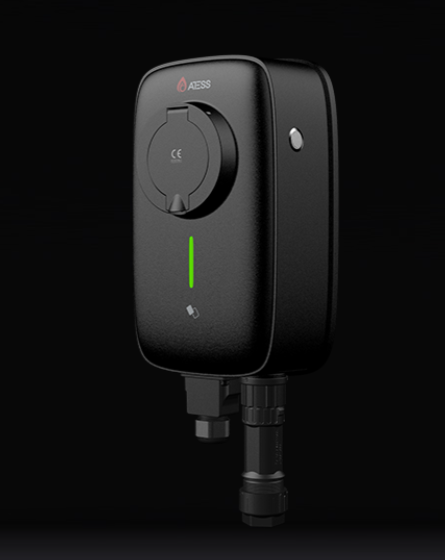
Selecting the right infrastructure requires balancing technical capabilities with the specific requirements of the site. For modern energy distributors and commercial engineering firms, finding a reliable ac ev charging station that seamlessly blends into existing electrical architectures can be a challenge. Forward-thinking manufacturers like Atess have addressed this market gap by engineering compact, highly compliant hardware portfolios tailored for diverse commercial environments. Their specialized equipment, such as the Nano EVA series, offers scalable power outputs ranging from 7kW to 22kW, making it highly adaptable for office complexes, retail centers, and fleet depots.
Strategic Infrastructure Value for Global Distributors and EPC Contractors
For engineering, procurement, and construction professionals, the long-term viability of a charging network depends heavily on equipment reliability and manufacturer backing. Deploying a commercial-grade ev ac charger involves evaluating certified performance, supply chain readiness, and hardware longevity in unpredictable environments. Industry integration indicates that systems backed by rigorous research and global certifications present significantly lower maintenance overhead over multi-year lifecycles. Distributors benefit when partnering with established clean energy providers who offer rapid delivery schedules, extensive quality assurance protocols, and a proven track record of stable field operations. By integrating intelligent power management features, a modern ac ev charging station can optimize energy consumption patterns, ultimately maximizing the return on investment for property owners while supporting regional sustainability targets.
Conclusion: Future-Proofing Energy Networks with Reliable Charging Assets
Addressing the question of what is ac ev charger reveals that these systems are indispensable components of modern commercial real estate and transport infrastructure. From foundational grid delivery to sophisticated power distribution, the integration of verified charging hardware is essential for supporting the growing fleet of electric vehicles worldwide. Organizations looking to expand their clean energy portfolios must prioritize dependable technology, comprehensive international certifications, and seamless manufacturer support to guarantee long-term operational success.
