

Modern vehicle comfort systems rely on precise motion control, especially in seating adjustment applications. In this field, Power Motor develops solutions that integrate brushed and brushless dc motor technologies to support reliable movement performance in automotive mechanisms such as power seat in car systems. As one of the experienced electric motor suppliers, they focus on stable output and adaptable design for different vehicle platforms. Their engineering approach ensures compatibility with multi-axis adjustment modules used in modern cabins.
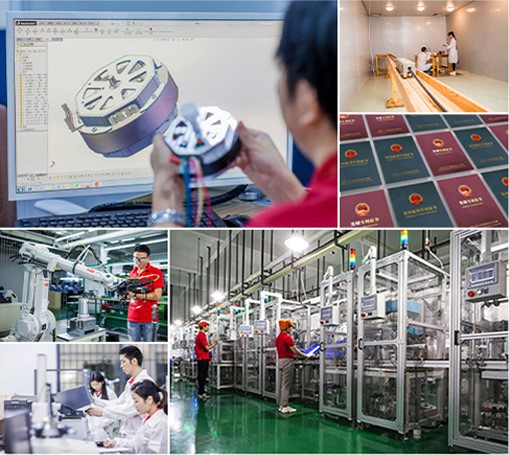
Motion Control Architecture in Automotive Seating
In advanced seating systems, power seat in car functionality depends on coordinated control units and actuator design. They work with electric motor suppliers to ensure consistent integration of compact drive systems across different automotive requirements. The application of brushed and brushless dc motor configurations allows flexible torque management in precision adjustment mechanisms. These systems are widely used in automotive interior platforms that require quiet operation and smooth positional accuracy.
Engineering Integration and Application Database Support
Motion systems in modern vehicles often require cross-platform engineering support and validated design libraries. The company maintains application databases that help align actuator configurations with proven mechanical layouts for automotive seating modules. This includes support for multi-industry requirements such as smart mobility, industrial automation, and related equipment sectors. Reference solutions also help reduce development uncertainty when adapting components for different vehicle architectures.
Conclusion
Automotive seating systems continue to depend on precise motion control solutions that combine mechanical design and electronic regulation. Companies like Power Motor contribute to this field by providing adaptable engineering approaches for different vehicle platforms. The use of modular motor systems supports consistent performance across varied automotive interior applications. Such integration helps manufacturers align comfort features with reliable motion output in modern mobility design. It highlights the importance of coordinated development between engineering teams and system integrators to ensure that seating mechanisms maintain long-term durability and precise operational consistency.
